Aesthetics in the context of the building
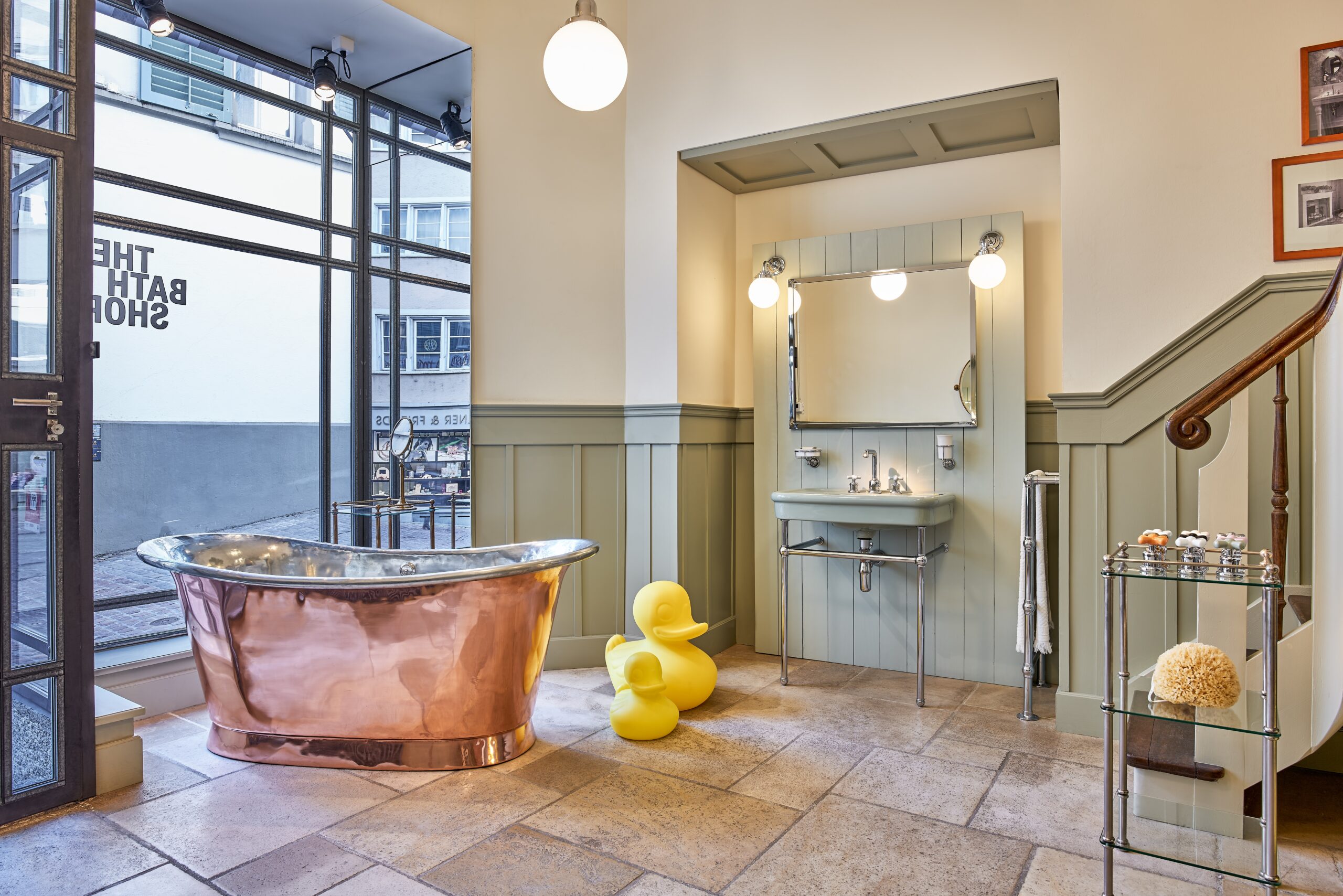
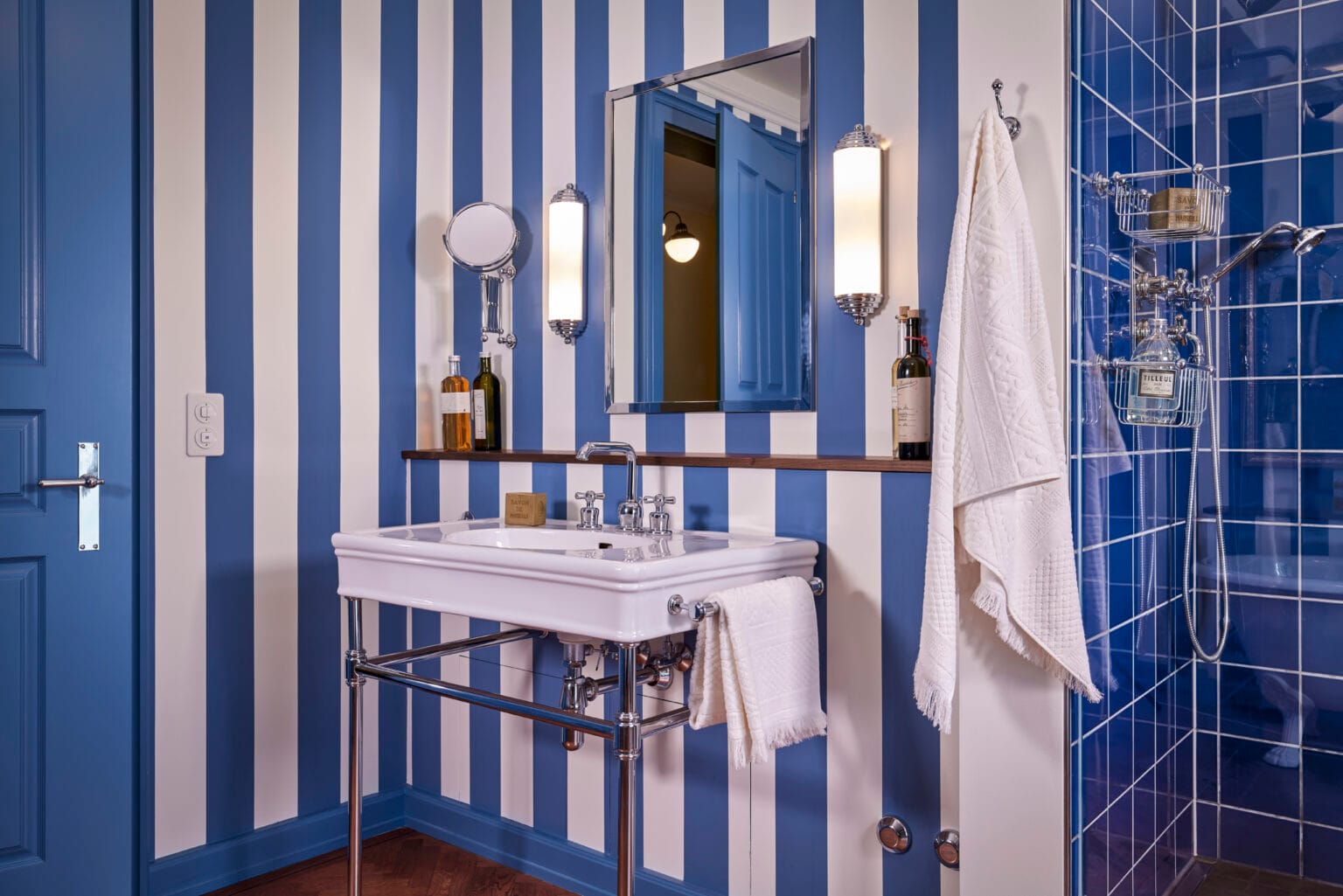
What distinguishes a modern bathroom from a “vintage” bathroom? First and foremost, of course, the aesthetics.
We believe that all fixed features in a house should complement the architecture of the house. So no ultra-modern bathroom in an old farmhouse. We greatly appreciate modern designs, but these should be in keeping with the building, or you can incorporate them as movable elements, such as furniture, art, etc.
Modern bathrooms: standardised systems and prefabricated modules
A great deal has changed in the industry over the last few decades: production has become more centralised, products more uniform, and companies and markets more global. Many manufacturers now produce in large quantities for a broad market. A few years ago, Geberit’s market was still largely based in Switzerland. Today, the company supplies the whole world.
Many manufacturers and producers have developed highly sophisticated systems. Swiss bathrooms are now often fitted with prefabricated modules. Behind a wall-mounted toilet with a concealed cistern, there is now a prefabricated frame with standardised connection distances. Modern washbasins are often supplied with pre-fitted taps. For basins too, such prefabricated frames are used within the wall, with fixed connection distances for the basin, water supply and siphon. All these developments make installation more efficient. Nothing sits on the floor any more, which suits modern bathrooms very well, but doesn’t really look authentic for a retro bathroom.
What sets our products apart
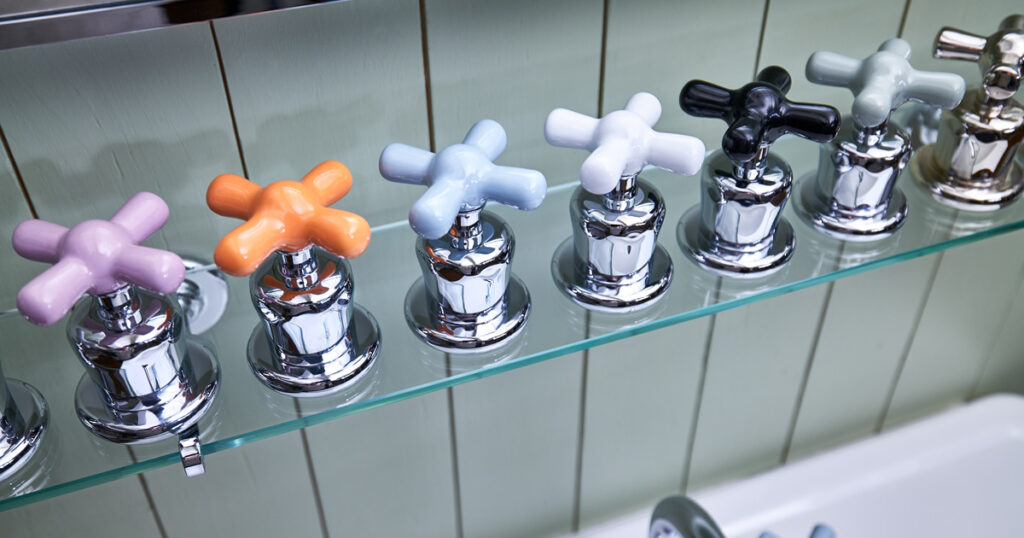
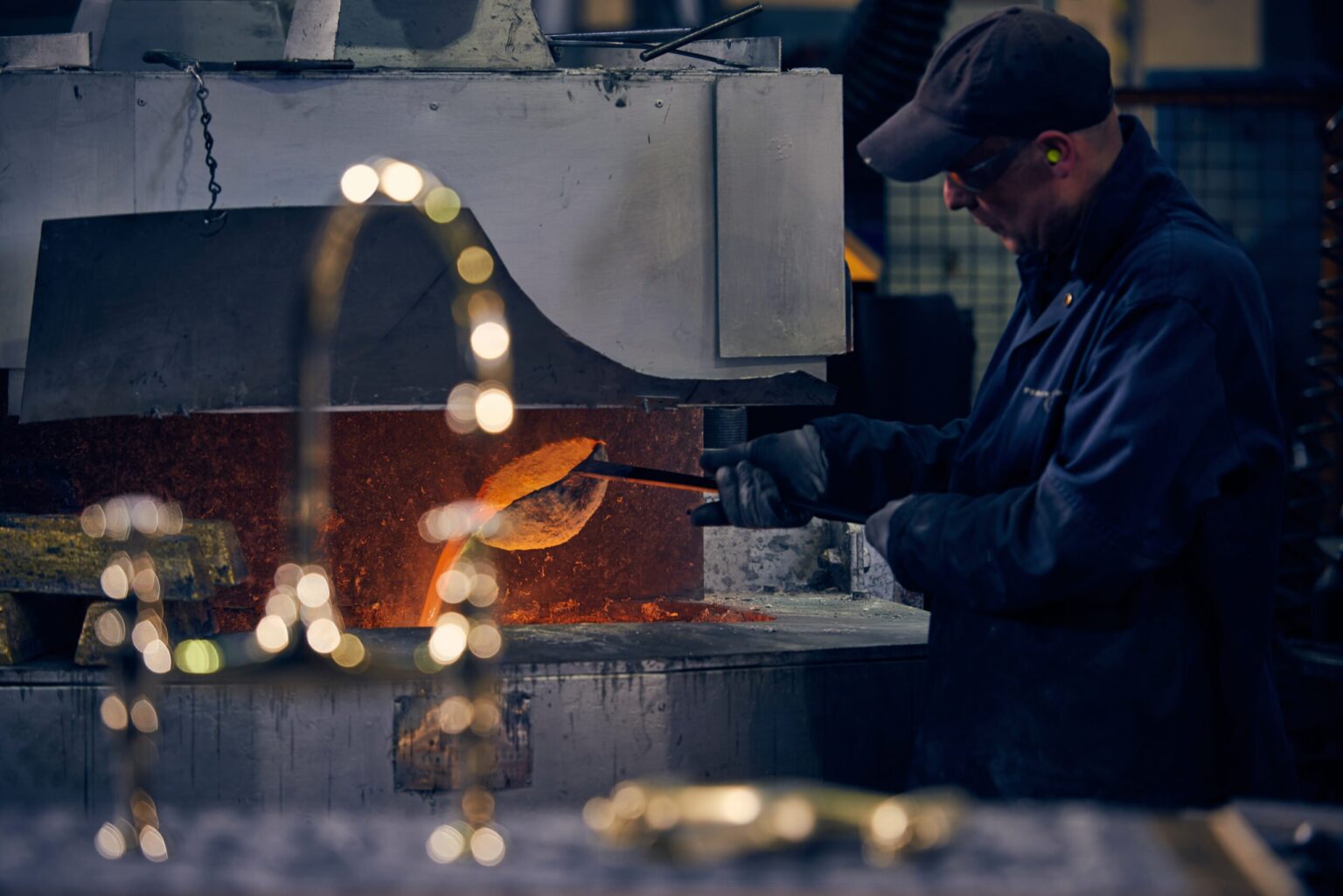
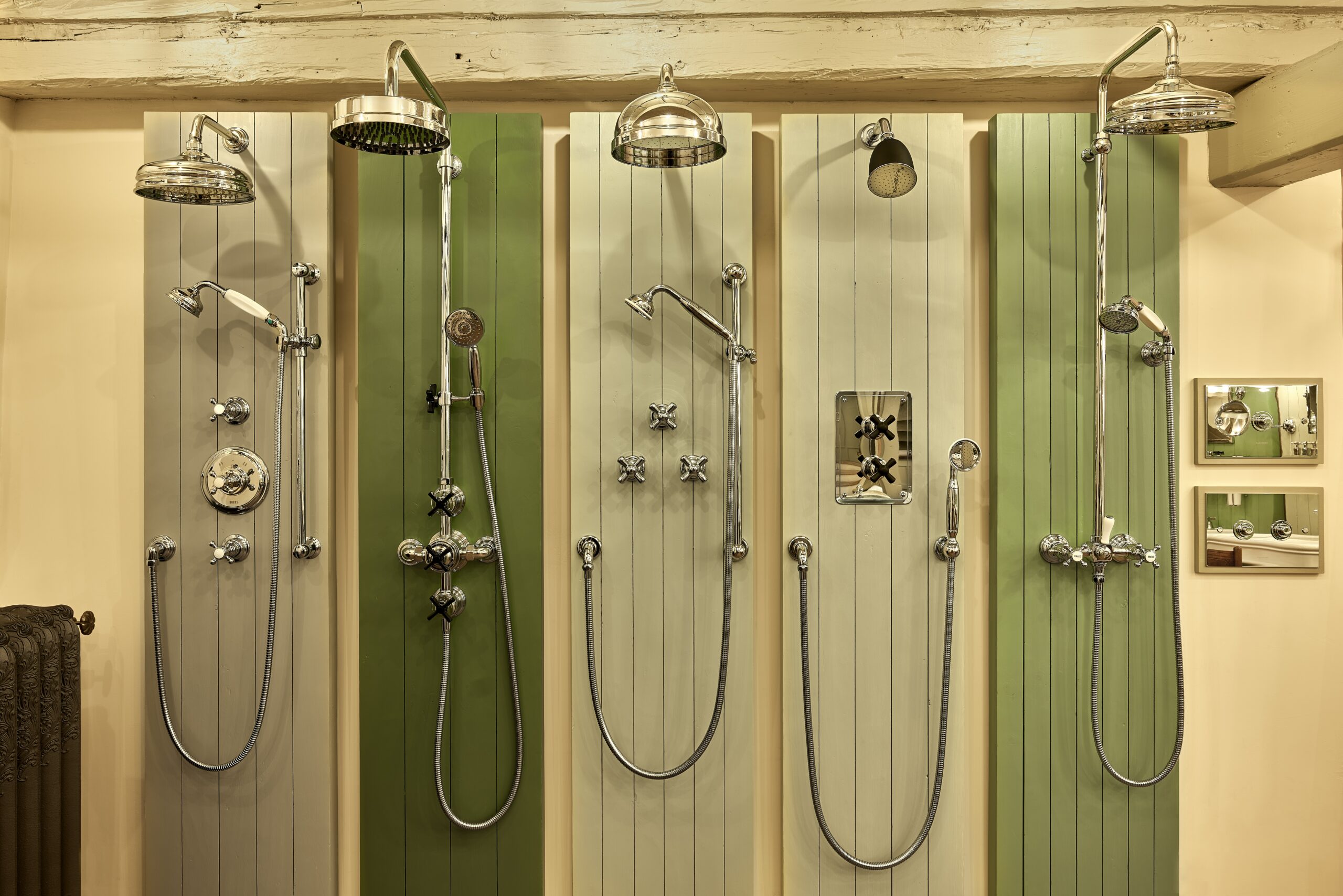
We work with various manufacturers who produce very small batches using traditional methods. Our challenge lies not only in finding or drafting products that complement each other aesthetically, but also in ensuring they are technically compatible. Furthermore, all these products must comply with Swiss standards. Nevertheless, the planning and installation of our products require a certain degree of care.
There are now countless online retailers offering low-cost retro taps or freestanding vintage-style baths, the quality, workmanship and technical compatibility of which often fail to meet the high standards of the Swiss market.
Installation in practice: three examples
Our basins, for example, are handcrafted and no two are exactly alike. As our basins are usually mounted on a metal frame or a ceramic pedestal, the pre-fitted fixing points are not suitable. However, there is a simple solution: the wall behind the unit is reinforced with wood in that area, allowing any basin to be mounted. A common practice.
If you decide on a lavatory pan with a close-coupled ceramic cistern, we have ensured that standard Geberit fittings are used inside. In other countries, such as England, a different flushing system is used, which is completely unknown to Swiss plumbers. Not exactly appreciated either…
Another example is that our basins are not supplied with pre-fitted taps. This is done on site by the plumber and requires a little more time, but is by no means unusual for high-quality taps.
Product sheets: the basis for correct installation
It is very important to us that our products are installed properly. That is why we have created a product sheet for each product, containing all the relevant information on fitting and dimensions. If these are not followed by the installer or architect, this can unfortunately lead to problems during installation.
Our products as part of the whole renovation
If you compare the total costs of a renovation, i.e. demolition, bricklaying, tiling, electrical work, plumbing, etc., the proportion accounted for by our products is small.
If you are planning a bathroom in this spirit, visit us at our showroom at Strehlgasse 22 in Zürich’s old town, where you can see and handle our products in person.