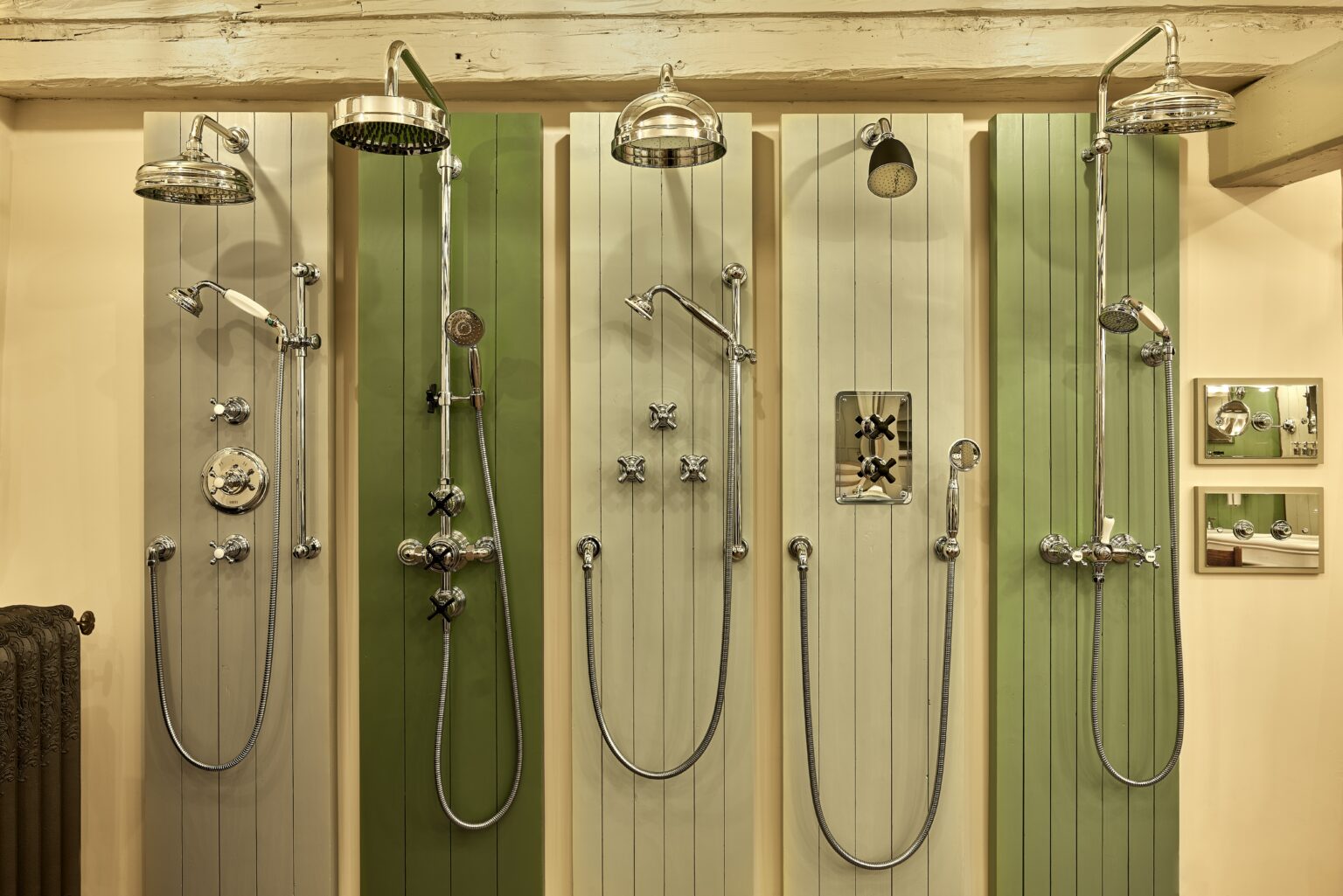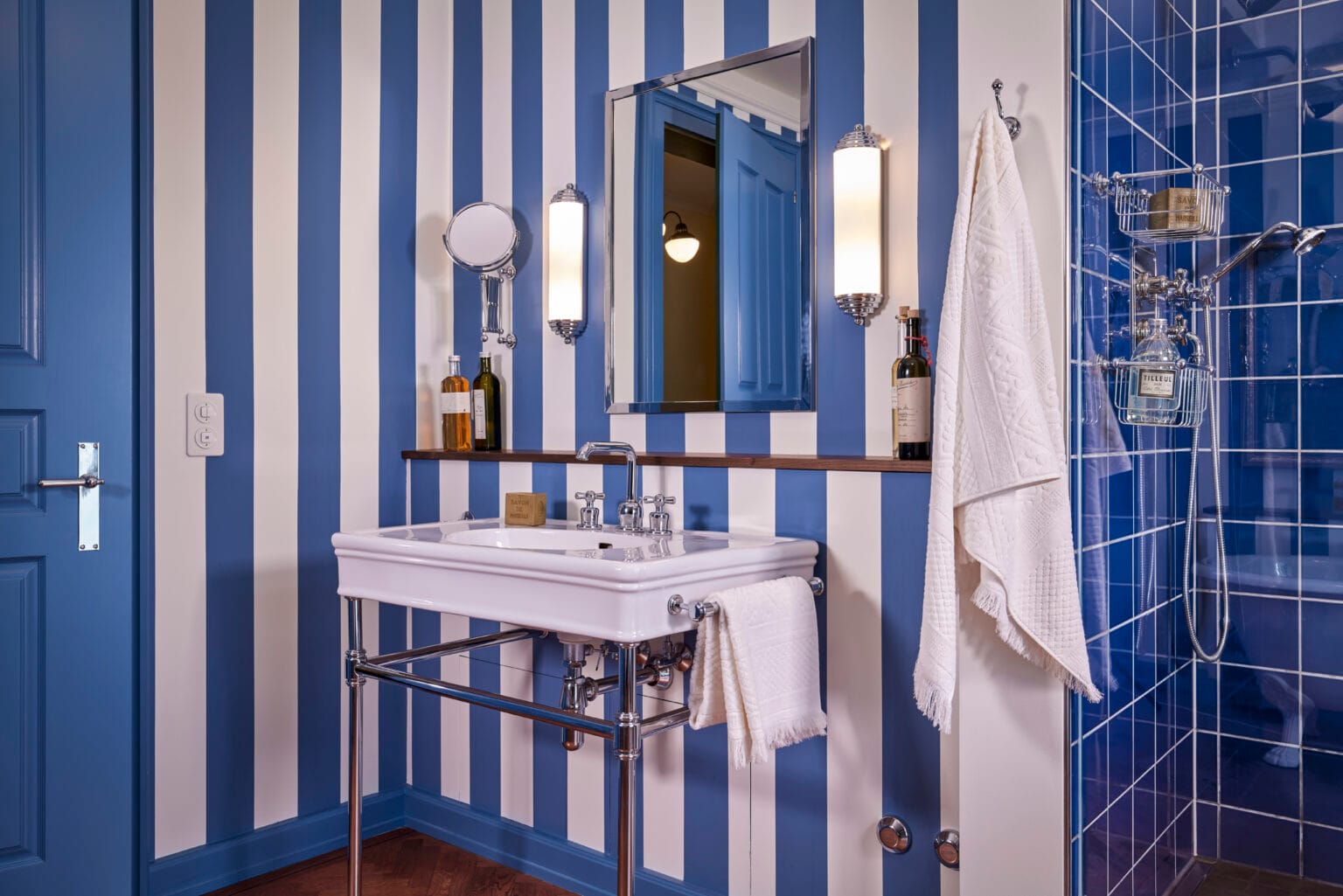
When we opened in 1996, we sold products made by reputable European manufacturers. That worked for a while. Then manufacturers began to focus on modern designs or ceased production altogether. Often, the key details that defined a piece were altered, or classic designs quietly disappeared – we never found out why.
We then began – inspired by historical products – to design our own products. Today, almost every new product we sell is our own design, manufactured by workshops in England, France and Italy that we know personally.
Why the origin matters
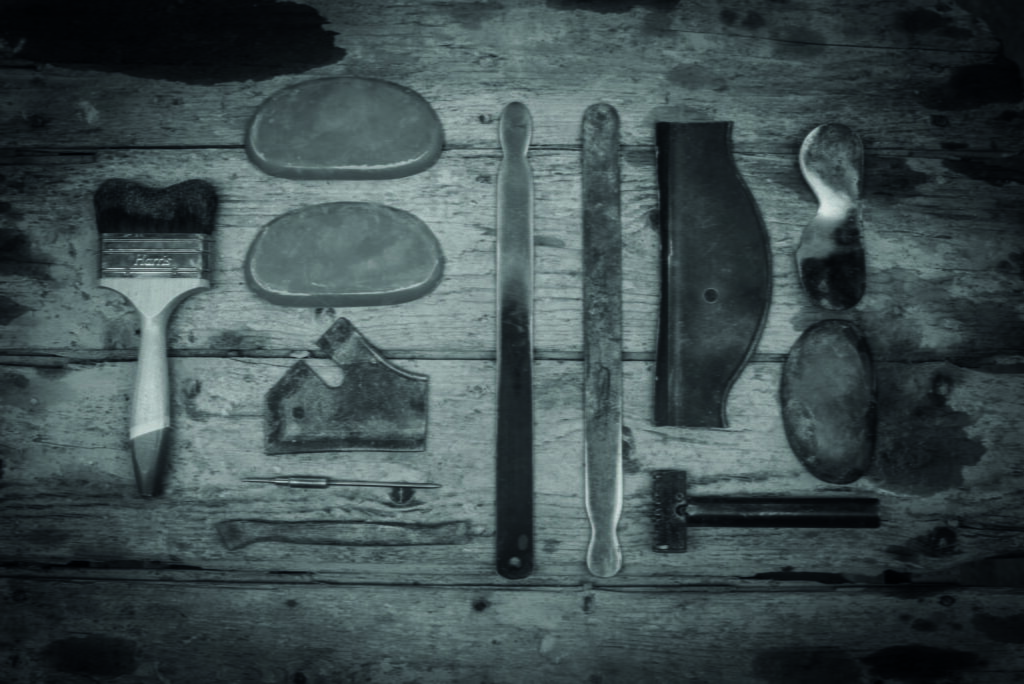
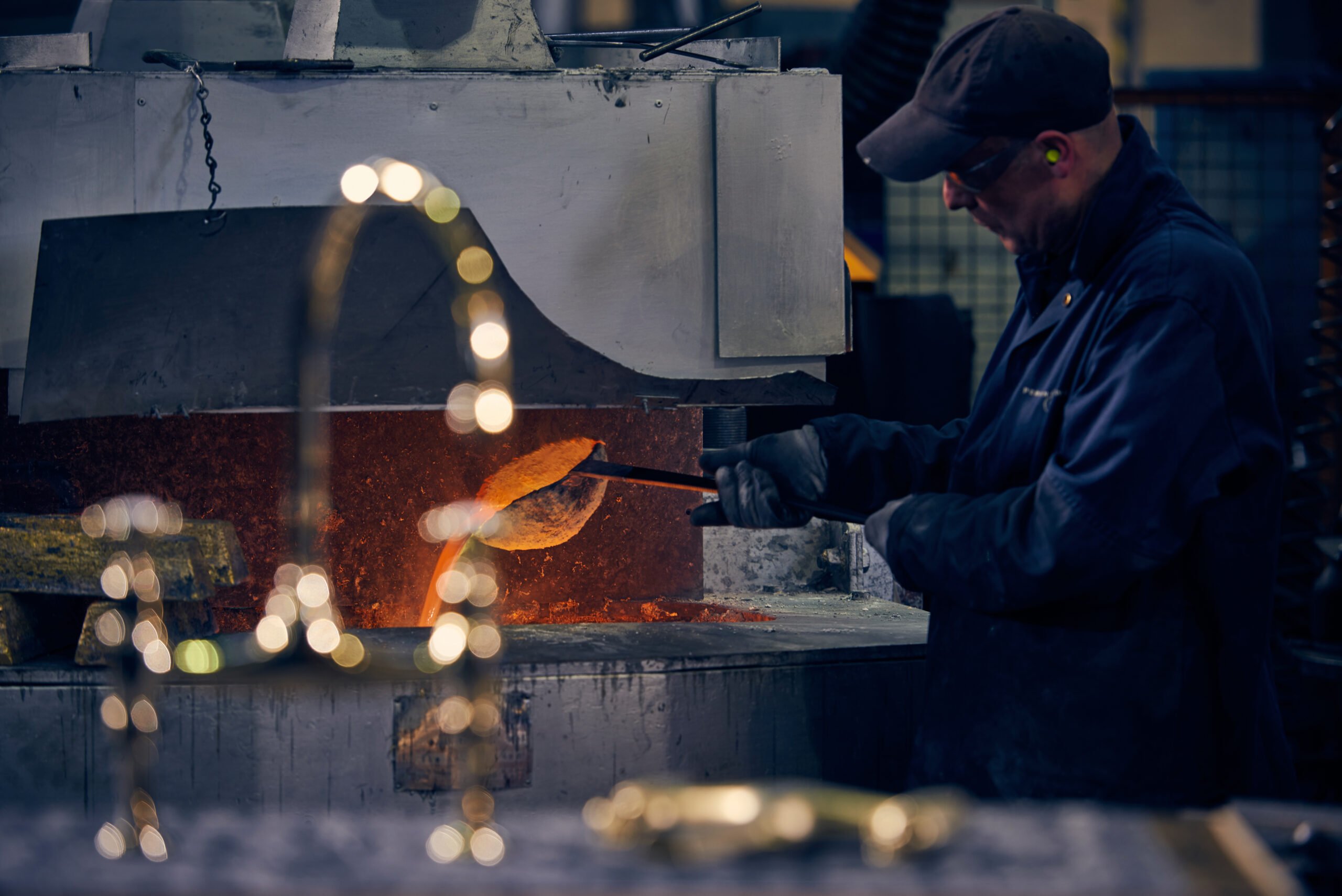
Our fittings, for example, are made from solid brass, manufactured and assembled in workshops that have been doing this work for generations. This expertise cannot be replicated in just any factory. Much of the knowledge is passed on through manual craftsmanship rather than via YouTube tutorials.
Short supply chains, European labour standards and fair working conditions are things we can verify. We visit these workshops. We know the people who make our products by name.
Birmingham: brass accessories, handcrafted
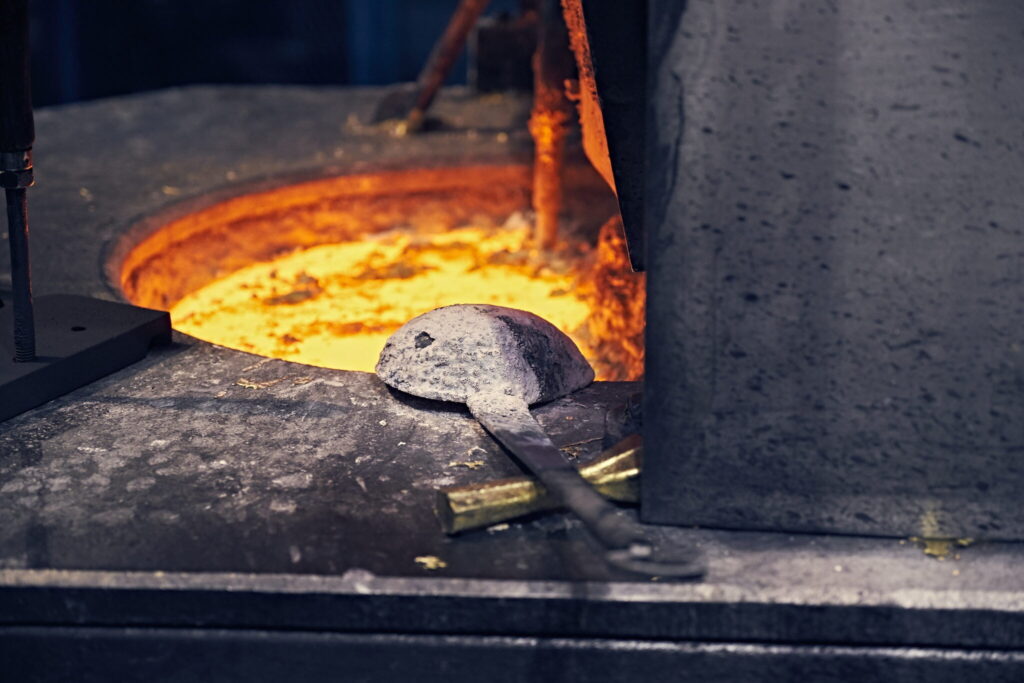
Our Ritz accessories come from a small metal workshop in Birmingham, the historic centre of English brassworking. The process has hardly changed in a hundred years. Brass is cast or turned on a lathe, ground and then polished by hand before the surface is finished in chrome, polished nickel or polished brass.
Hand polishing is a slow process. It is also the reason why a Ritz towel rail has smooth, even surfaces. Machine polishing cannot achieve these complex shapes.
Our solid wood toilet seats, available in five different wood finishes and fitted with brass hinges from the same network of workshops, are also made in Birmingham.
England and France: the taps
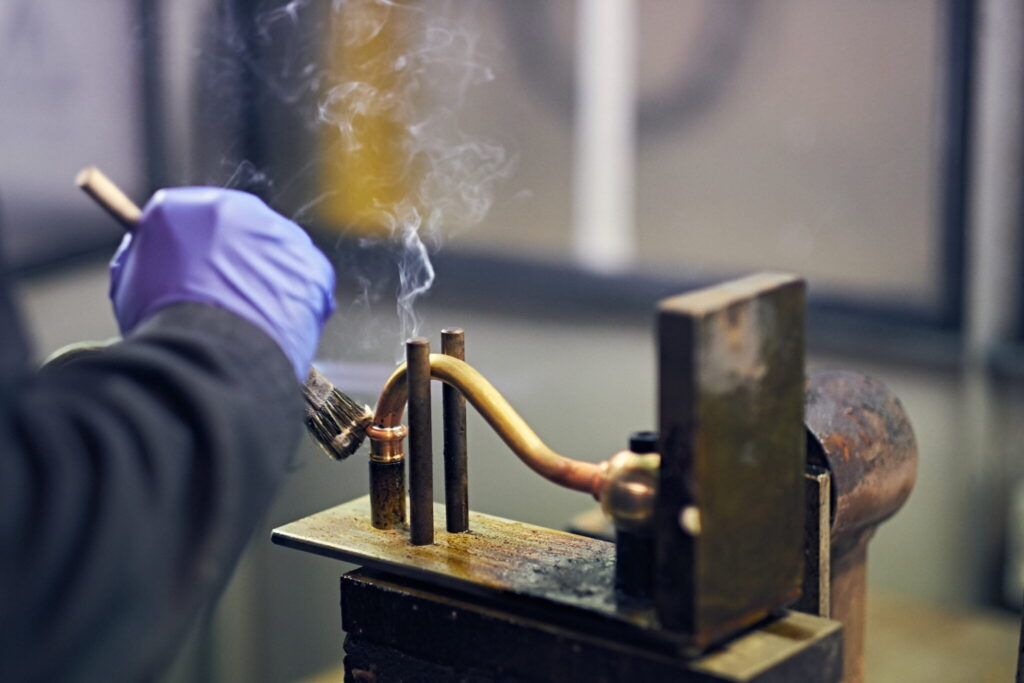
Our ranges of taps are manufactured in either England or France, depending on the range. The bodies are made from solid brass. Valves, cartridges and seals are European components, selected according to one criterion above all others: they must still be replaceable even decades from now.
The ROCKWELL range features ceramic handles in ten colours. The ceramic handles are incomparably pleasant to the touch. With its urban, understated forms, ROCKWELL is our most versatile range, equally at home in historic settings as in mid-century interiors.
The SINCLAIR range, our latest addition, draws inspiration from a detail from the 1920s: The handles are reminiscent of aeroplane propellers, a classic feature of that era. It is meticulously manufactured in France.
Our PARIS taps complete the range. All ranges are available in our three finishes: chrome, polished nickel and polished brass.
Italy and England: Ceramics
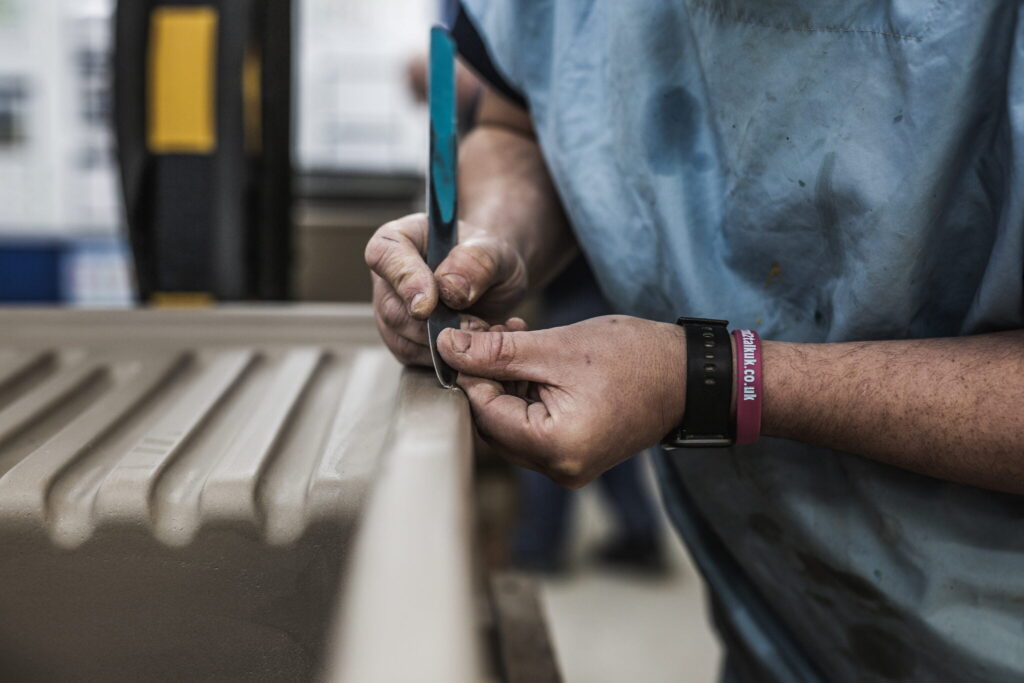
Our ceramics are manufactured in Italy and England. The Square range, with its Art Deco shapes dating from around 1930, comes from an Italian manufacturer who still produces using traditional moulds. The Palazzo range reproduces original washbasin and toilet designs from the years 1900 to 1920, featuring the generous proportions of that era.
Ceramic production of this kind is a dying craft. Major sanitaryware manufacturers use die-casting and standardised moulds, optimised for high-volume production. The historic designs we reproduce require slip casting in plaster moulds, longer drying times and more manual finishing. Few factories are still willing to undertake this work. We are delighted to have found partners who have mastered it.
What this means for you
Products created in this way cost more than mass-produced goods. They also last longer, can be repaired and remain available for spare parts. A brass fitting from a renowned workshop is a one-off purchase.
If you’d rather see the difference for yourself than read about it, visit us at Strehlgasse 22 in Zurich.